

The Thrill of Winning
The exhilaration of winning at a casino taps into deep-seated psychological responses that can be both rewarding and addictive. The immediate rush of dopamine released in the brain during a win reinforces the behavior, making it more likely for individuals to seek out similar experiences in the future. This chemical reaction fosters a sense of thrill and excitement, often overshadowing the potential risks involved in gambling. To ensure safety, players can visit https://lovenorthernbc.com/ for tips on secure gambling practice.
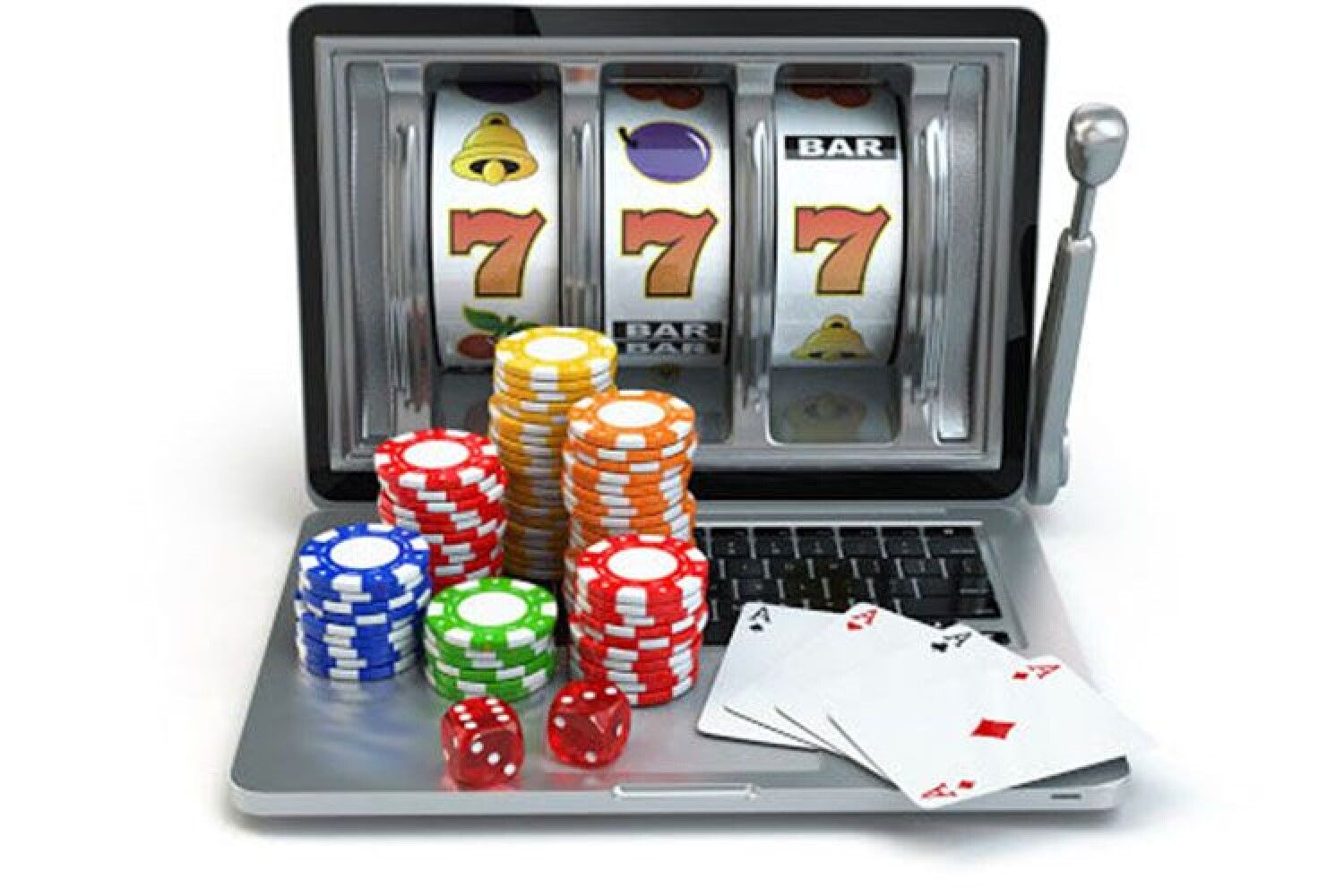
Moreover, the anticipation leading up to a possible win creates a psychological rollercoaster that keeps players engaged. This cognitive engagement is further enhanced by the near-miss phenomenon, where players feel they were close to winning, which can intensify their desire to keep playing. Understanding this cycle of reward and anticipation helps explain why individuals may overlook the odds and continue to gamble despite past losses.
The Pain of Loss
The emotional impact of losing in a casino can be profound, often leading to feelings of frustration, desperation, or even shame. The psychological concept known as loss aversion suggests that the pain of losing is felt more acutely than the pleasure derived from winning. This can create a vicious cycle where players chase losses, driven by the hope of recovering their initial investment, which can lead to further financial distress.
In many cases, this obsession with recouping losses can cloud judgment and lead to impulsive decisions. Players may find themselves betting larger amounts in an attempt to regain a perceived balance, often leading to even greater losses. This harmful behavior reflects the complexities of human emotions intertwined with gambling, showcasing how deeply ingrained psychological factors can influence decision-making in casinos.
The Role of Cognitive Biases
Cognitive biases play a significant role in the way gamblers perceive their chances of winning. For instance, the gambler’s fallacy leads individuals to believe that past events can influence future outcomes in games of chance, such as assuming a slot machine is “due” for a win after a series of losses. This incorrect thinking can lead to increased wagering and a skewed sense of probability that enhances the risk associated with gambling.
Additionally, the illusion of control can also affect gamblers, making them believe they have more influence over game outcomes than they actually do. This belief can lead to greater participation in games, as players feel empowered to change their fortunes. However, recognizing these biases is crucial for understanding the psychological underpinnings of casino gambling and its potential to lead to compulsive behaviors.
The Social Aspect of Gambling
The social environment of casinos also plays a critical role in shaping the psychological experience of gambling. For many players, the communal atmosphere enhances the enjoyment of games. Interacting with others, whether it’s friends or fellow gamblers, can create a sense of belonging that reinforces the gambling experience. This social aspect can help individuals justify their actions and encourage repetitive behaviors.
Conversely, the social pressure can lead to impulsive decisions, as players may feel compelled to keep up with friends or peers. Additionally, the celebratory nature of winnings among groups can further exacerbate the desire to continue gambling. Understanding these social dynamics is essential for grasping the broader psychological influences at play in casino environments.
Ensuring a Safe Gambling Experience
As the gambling landscape evolves, ensuring a safe and secure environment for players becomes paramount. Websites that prioritize security measures not only protect users from potential threats but also foster a sense of trust and safety that is crucial for responsible gambling. By employing robust security protocols, these platforms can help mitigate risks associated with gambling.
Moreover, educating users about responsible gambling practices is vital in addressing the psychological challenges associated with winnings and losses. Providing resources and support for those who may struggle with gambling addiction can create a more balanced experience for everyone involved. Ultimately, a secure and informed playing environment can help individuals enjoy the thrill of gambling while minimizing the psychological risks associated with it.